

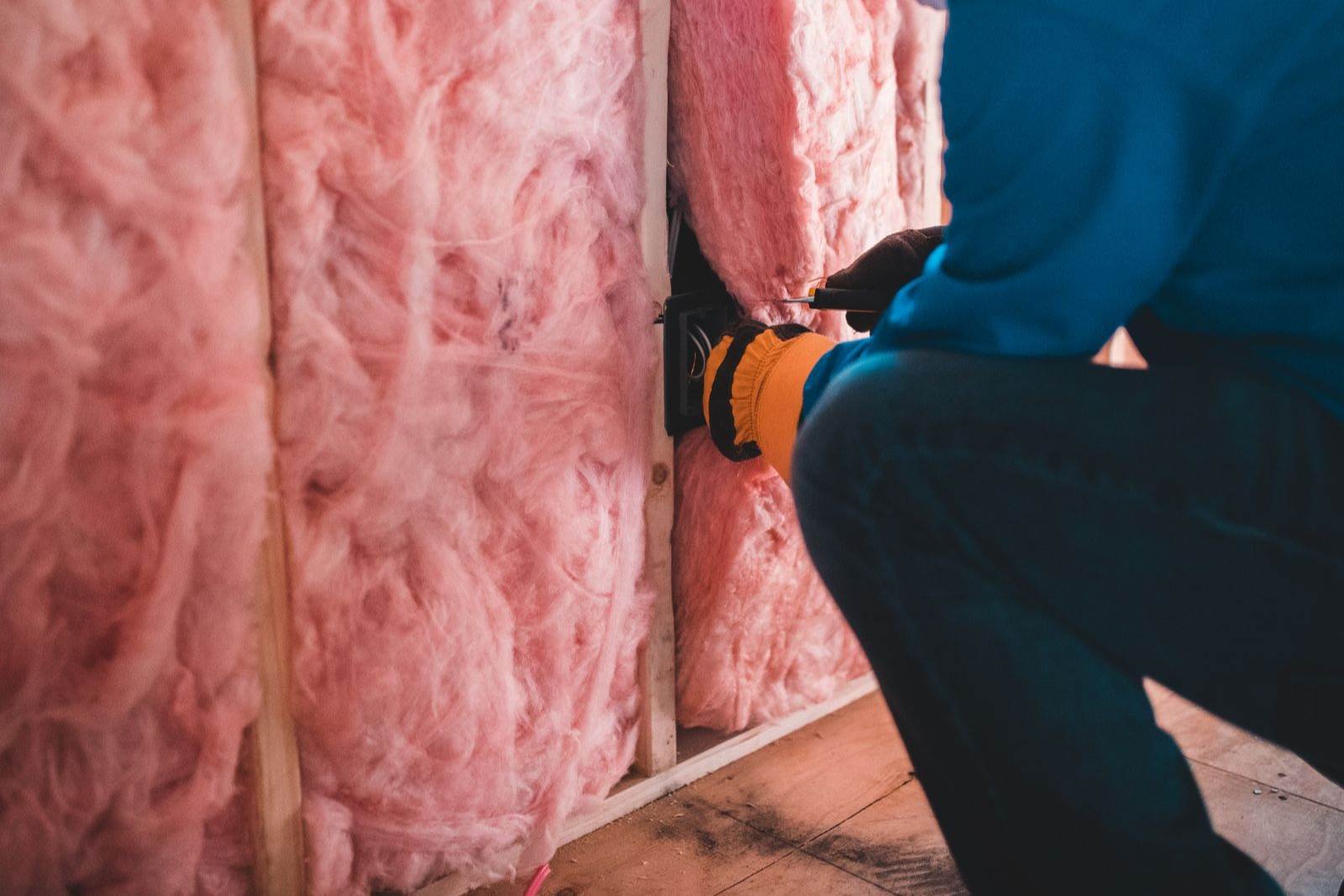
Thermal Insulation and Cladding Guide: The Right Material and Application
High fuel costs and cold winters have turned thermal insulation from a luxury into a necessity. Proper insulation lowers bills and increases comfort, and reduces the risk of moisture and mold. In this guide we explain the basics of external cladding (mantolama), the material options and the application steps.
Why Is Thermal Insulation Important?
- Energy savings: Significantly reduces heating and cooling costs.
- Comfort: Balances wall surface temperature and removes the cold-wall feeling.
- Moisture and mold control: Protects the structure by reducing the risk of condensation.
- Building life: Protects the exterior façade from temperature changes.
Insulation Materials
EPS (expanded polystyrene)
Economical and light, it is the most widely used cladding material.
XPS
Has a very low water absorption rate; preferred for basement walls and floor insulation.
Stone wool
Because it is non-combustible and provides sound insulation, it is used in tall buildings and on façades where fire safety is critical.

Cladding Application Steps
- The surface is cleaned and necessary repairs are made.
- The starter profile is fitted and the insulation boards are bonded.
- The boards are anchored and the joints are checked.
- The plaster layer and reinforcement mesh are applied.
- Primer and the final exterior finish coat are applied.
Thermal Bridges
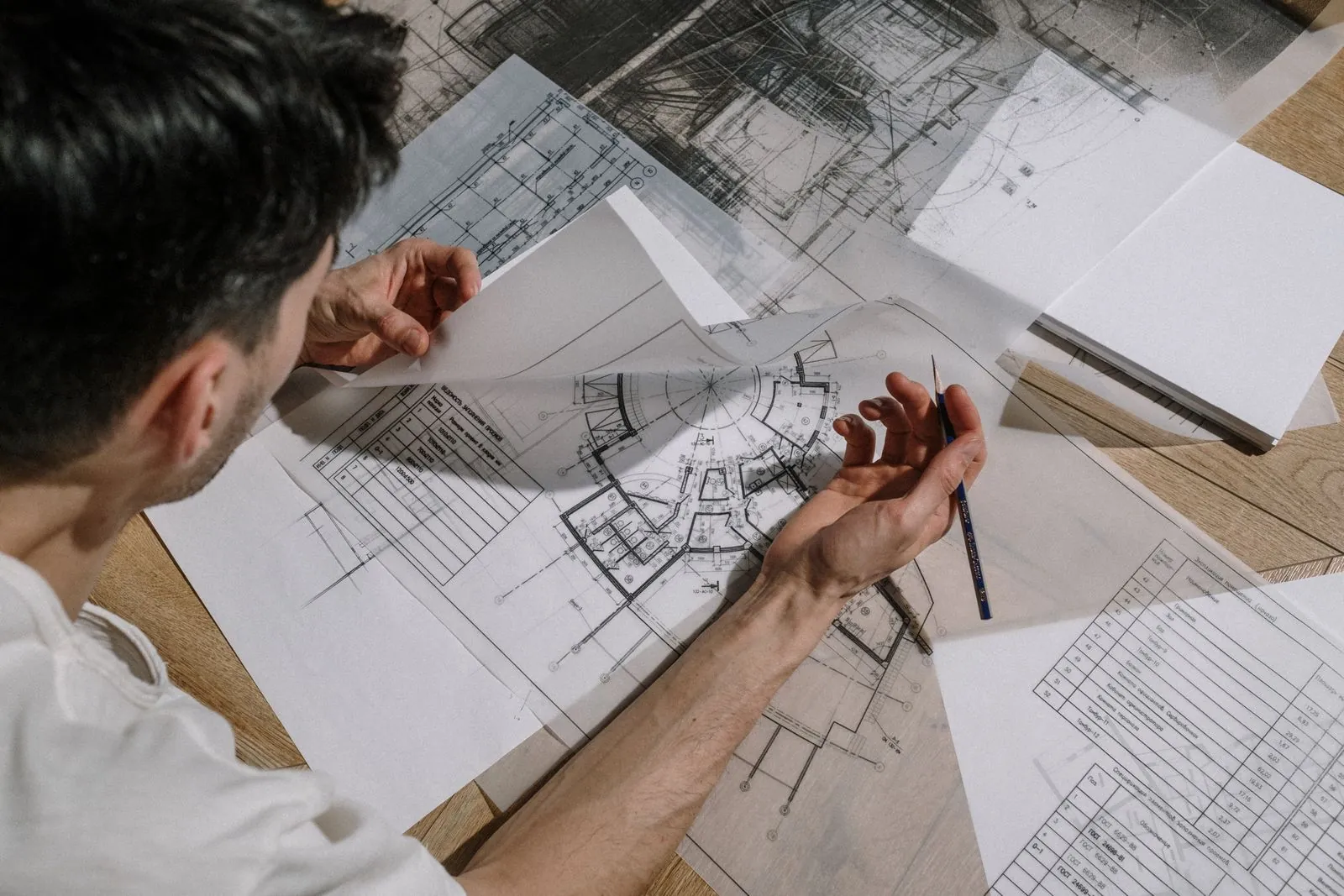
Areas such as balcony slabs, columns and lintels can create thermal bridges. Insulating these areas continuously is as important as the insulation thickness. In new buildings these details should be solved at the project stage; for the process, see the article on the architectural project and building permit process.
Recommendations for Kayseri’s Climate
Because of the cold winter conditions, insulation thickness and window quality should be chosen carefully. For decisions on orientation, glazing ratio and energy efficiency suited to the climate, you can read our article on home design suited to Kayseri’s climate. For façade materials, natural materials in architecture is also a recommended resource.
Effects on the Interior
Proper insulation eliminates problems such as peeling paint, mold and cold walls indoors. This way the wall coverings and decoration last longer; our wallpaper or paint article will also be useful.

Frequently Asked Questions
How thick should the cladding be?
Depending on the region and energy goal, an insulation thickness of generally 5–10 cm is applied; thicker is preferred in cold climates.
External cladding or internal insulation?
External cladding is generally more efficient than internal insulation because it minimizes thermal bridges and does not reduce interior space.
Plan Your Project with Saçcıoğlu Architecture
For project consulting focused on insulation and energy efficiency for a new building or your existing building, our architecture office services are by your side. Since 2017 we have been designing and building residential, villa, commercial and public buildings in Kayseri and the surrounding provinces. To discuss your project, you can reach us through our contact page or call 0505 884 76 00. You can review the work we have completed on our projects page.