
Natural Materials in Architecture: Stone, Wood and Kayseri Stone
Stone, wood, clay and lime are humanity’s oldest building materials and are back on architecture’s agenda today. Sustainability awareness, the search for a healthy indoor environment and timeless aesthetics are making natural materials indispensable in contemporary projects.
Why Natural Materials?
- Timeless aesthetics: Natural materials become more beautiful as they age and never go out of fashion.
- Durability: When properly chosen and applied, they can be used for decades.
- A healthy indoor environment: Materials such as lime and clay breathe and help balance humidity.
- Locality and sustainability: Materials sourced from the nearby area reduce transport-related impacts and keep the region’s architectural identity alive.
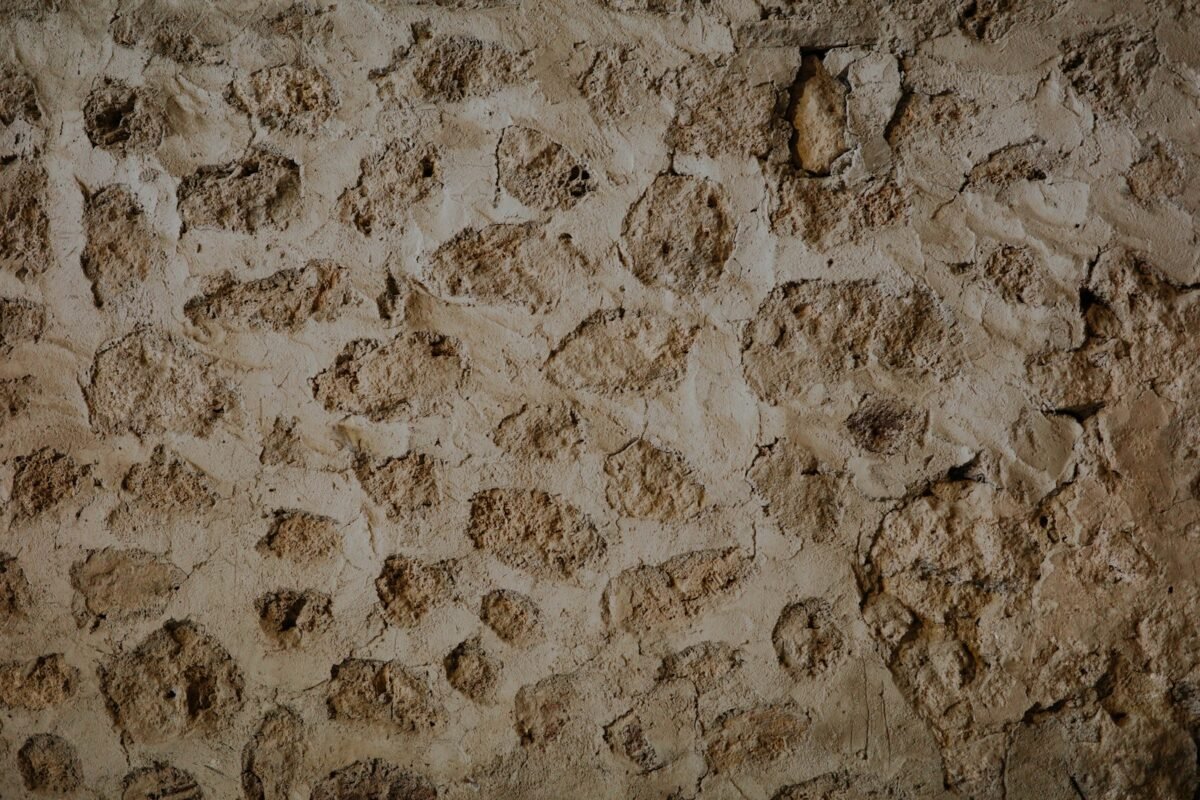
Natural Stone
Natural stone has a wide range of uses, from façades to floors, from bathrooms to kitchen countertops. Granite is hard and durable; marble is elegant but more delicate; travertine, with its warm texture, is one of the most loved stones of recent years; and basalt offers a dark and strong look.
Kayseri Stone: A Contemporary Interpretation of Local Heritage
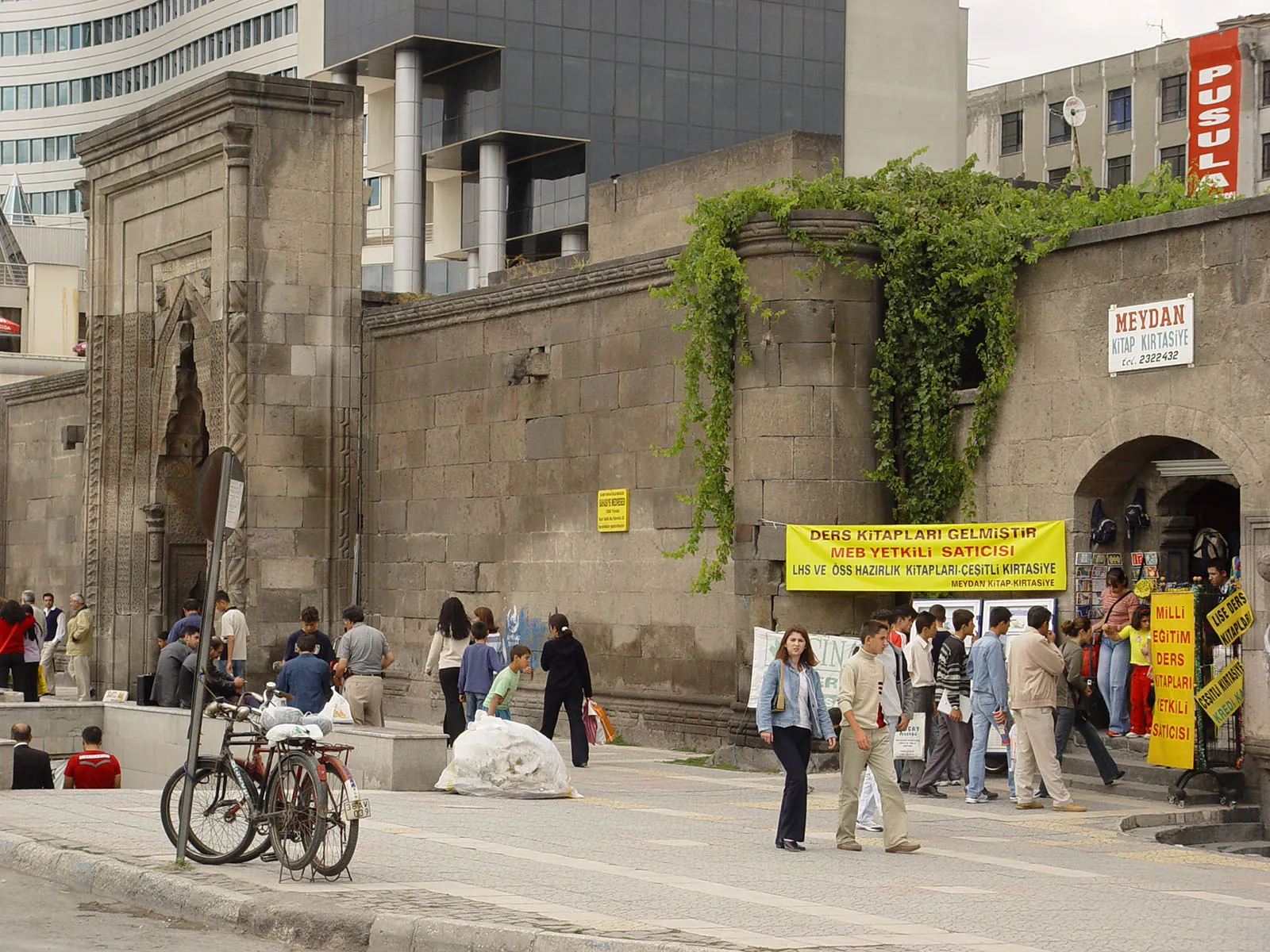
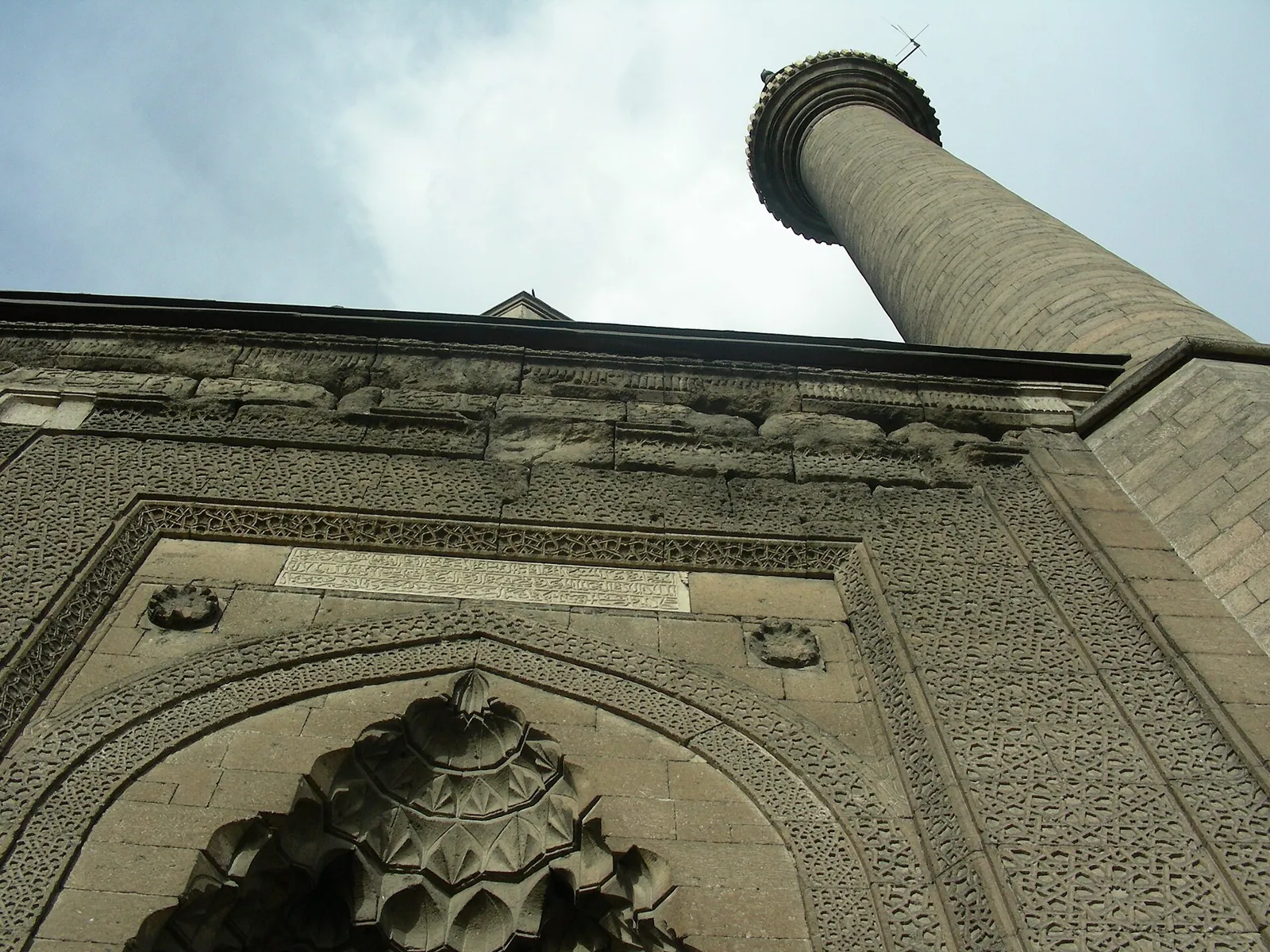
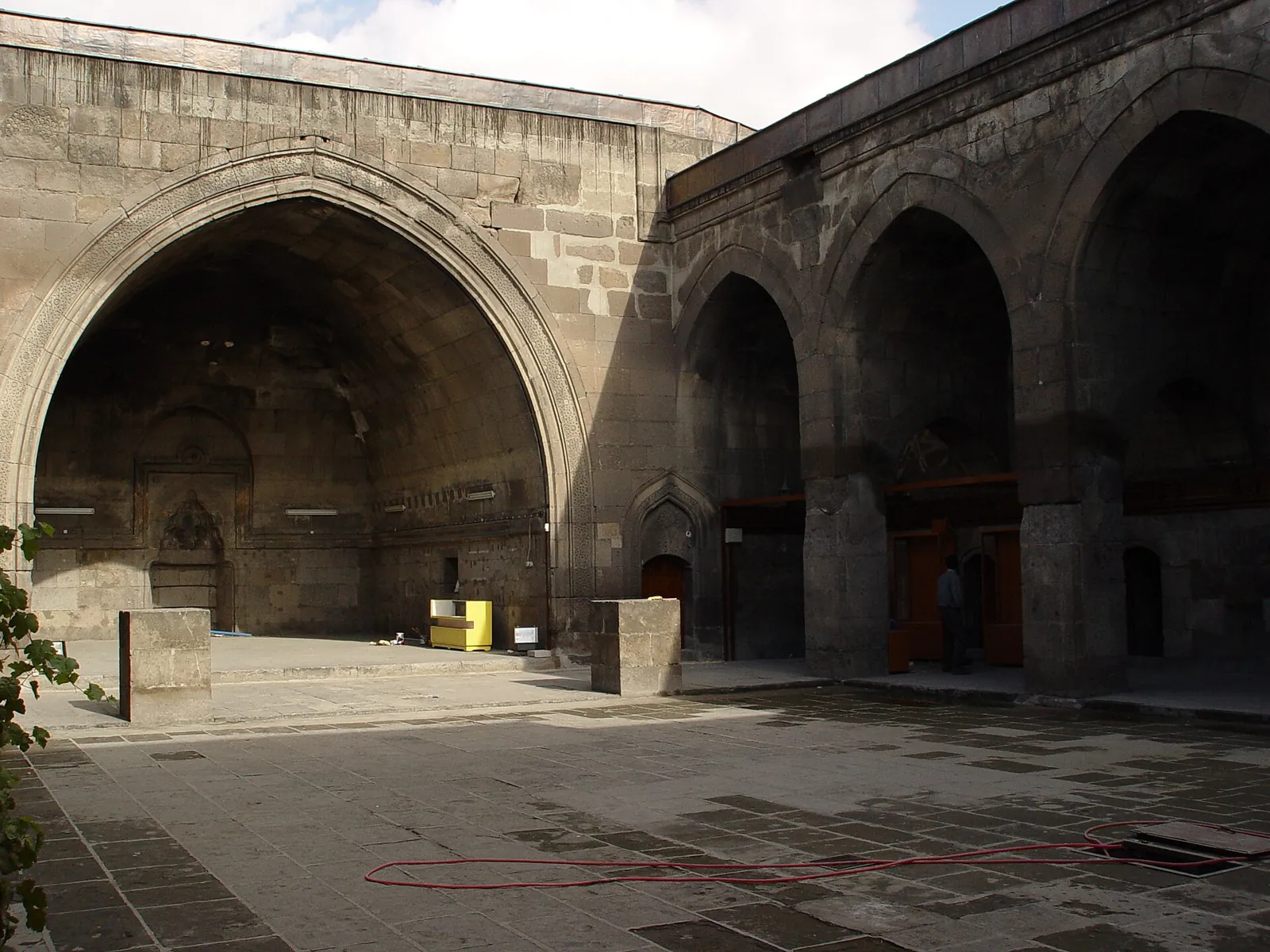
Mount Erciyes’s volcanic past has given Kayseri and its surroundings volcanic tuff stones that are easy to work, lightweight and have good insulating properties. The skilled use of this stone can be seen in Kayseri’s historic mansions, in the old houses of Talas and in buildings in the Cappadocia region. Today, local stone can be reinterpreted with contemporary designs in façade cladding, garden walls, accent walls indoors and landscaping. Using local stone with a modern architectural language gives a building both character and a strong bond with its place.
Wood
Wood is the strongest material for adding warmth to an interior. It is used in solid parquet, wooden ceiling cladding, wainscoting, custom furniture and stairs. Oak, walnut and ash are species often preferred indoors. Outdoors, thermally modified wood and naturally durable species should be used with suitable surface protection.
Lime and Clay Plasters
Lime plaster and clay plaster stand out for both their natural texture and their humidity-balancing property. Their matte, slightly wavy surfaces give an interior a depth that painted walls cannot. These surfaces are also among the 2027 interior design trends.
Brick and Earth-Based Materials
Reclaimed brick, terracotta tiles and handmade ceramics create warm surfaces with a handcrafted feel on both exterior façades and interiors.
Maintenance of Natural Materials
- Porous stones (marble, travertine) should be impregnated regularly so that they do not hold stains.
- Wooden surfaces should be renewed with oil or varnish according to the intensity of use.
- Acidic cleaning products can damage natural stone; products with a suitable pH should be preferred.
Using Natural Materials in the Right Place
Every material has strengths and weaknesses. On a heavily used kitchen countertop, a more durable stone should be chosen instead of delicate marble; on a wet bathroom floor, a surface with a suitable slip-resistance rating. Material selection is a design decision in which aesthetic, usage and maintenance expectations are evaluated together. We also discussed the effect of natural materials indoors in our biophilic design article.
Cover photo: Sahabiye Madrasa courtyard, Kayseri. Photo: Dosseman, CC BY-SA 4.0
Related Posts
- Flooring Selection: Parquet, Ceramic and Laminate
- Kitchen Countertop Materials: Granite, Quartz and Marble
- Villa Garden and Landscape Design: Basic Principles
Plan Your Project with Saçcıoğlu Architecture
To use local and natural materials in a contemporary language in your projects, you can contact our architecture office. Since 2017 we have been designing and building residential, villa, commercial and public buildings in Kayseri and the surrounding provinces. To discuss your project, you can reach us through our contact page or call 0505 884 76 00. You can review the work we have completed on our projects page.